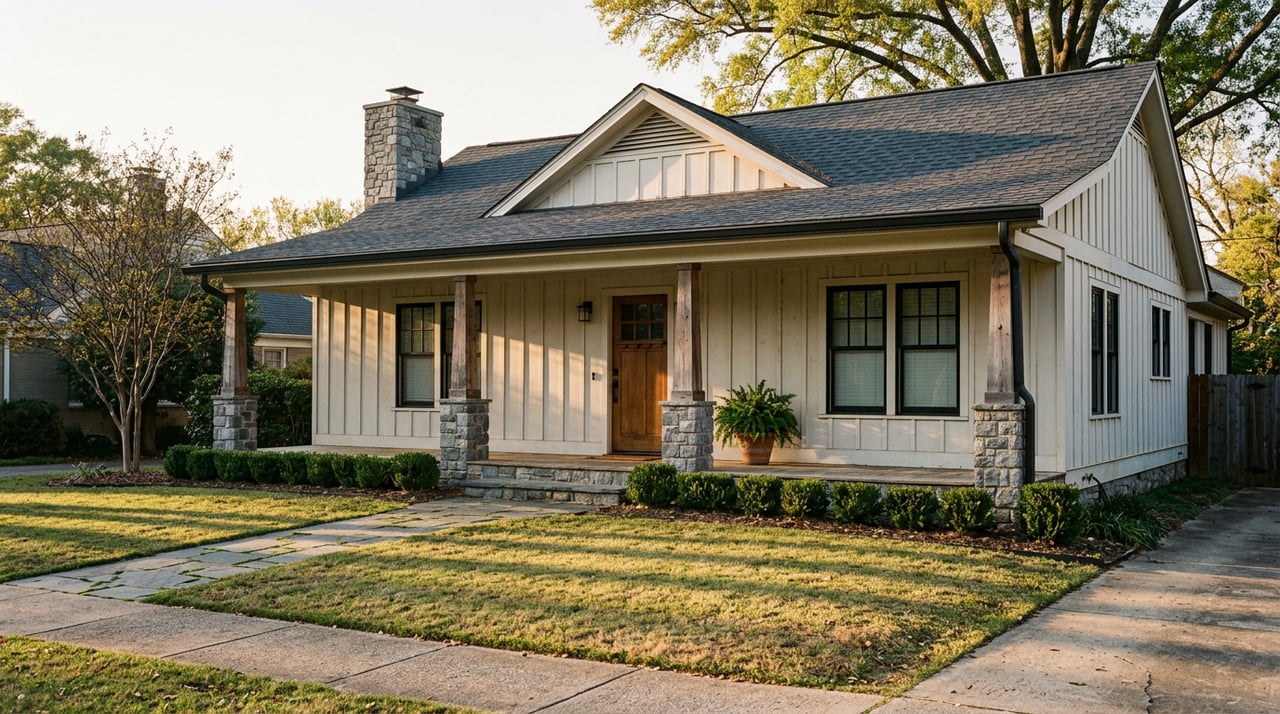
Millbrook Is Building a Downtown From Scratch, and Two Restaurant Chains Just Voted Yes
August 13, 2026
August 13, 2026
Drive down Main Street in Millbrook this summer and you'll pass a steakhouse that didn't exist in December, a City Hall that used to be something else, and a wing joint finishing its build-out for a summer opening. None of this happened by accident. For a city that spent nearly fifty years without anything resembling a traditional downtown, the last seven months have been the busiest stretch Main Street has seen since it was Main Street in name only.
Here's the part most residents haven't connected yet: Millbrook was never supposed to have a downtown. It was incorporated in 1977 at the intersection of two state highways, a location chosen for traffic flow, not for a town square. Mayor Al Kelley has said as much himself, describing a city boxed in by its neighbors with no room to sprawl outward. So when two Alabama restaurant chains picked Main Street over the highway corridor this year, that wasn't background noise. That was the clearest signal yet that a downtown built on purpose, rather than inherited from history, is starting to work.
Most Alabama towns grew up around a courthouse or a rail depot, and the commercial district followed. Millbrook skipped that step. The city sits at the junction of Highway 14 and Highway 143, and for decades that intersection, not any single block of storefronts, was the closest thing to a center of gravity. Mayor Kelley has talked about the challenge directly, describing Millbrook as boxed in by surrounding municipalities with nowhere left to expand but inward.
"We have a little circle right here and we are going to try to fill that circle"
That's the mayor's own framing for the city's strategy, and it explains a lot about why the last year of Main Street activity matters more than a typical small-town restaurant opening would. The city has been buying up downtown properties as they come available, repurposing an old City Hall building into an economic development center, and building out Village Green Park as the anchor for community gatherings. The infrastructure came first. The tenants are catching up now.
Big Mike's Steakhouse opened its seventh Alabama location at 3251 Main Street on January 14, bringing 35 to 40 full and part-time jobs into the heart of downtown. Owner Mike Cole didn't frame the choice as incidental. He said Millbrook's downtown has the character, energy, and growth his company looks for when selecting a new location. That's a meaningful line coming from a chain that has spent years choosing smaller Alabama markets specifically because a downtown presence drives foot traffic in a way a highway outparcel never quite does.
Then in April, Baumhower's Victory Grille, the Buffalo-wing sports bar founded in 1981 by former Alabama football player Bob Baumhower, announced its 11th Alabama location would land in Millbrook this summer. Baumhower's has expanded steadily across the state for years, and its arrival tends to track real momentum rather than create it. Two chains with track records for picking winning locations landed in the same downtown corridor within three months of each other. That's not a coincidence a resident should shrug off on a Tuesday drive home.
It helps to separate what's happening on Main Street from what's happening a few blocks away on Highway 14, because they're not the same story even though they're both labeled "Millbrook growth."
City project manager Stuart Peters has described the Highway 14 work as a large and significant expansion of Highway 14, one that's meant to get ahead of traffic rather than react to it. That project is about capacity. The downtown project is about identity. Millbrook is running both plays at once, which is unusual for a city its size, and it's why the same year can produce both a restaurant boom on Main Street and an Alabama Department of Transportation project on the highway without the two competing for attention.
If you've noticed Village Green Park looking a little more finished lately, that's not your imagination. The green space has been a fixture since the early 1980s, but the city has been treating it as the literal and symbolic center of the downtown push, upgrading the playground and building the newer Minnie Massey Park nearby. City Hall now sits directly across the street from Village Green, which puts the seat of local government inside walking distance of the same block where Big Mike's just opened.
That sequencing matters for anyone trying to understand why this year feels different from the past several years. The public investment went in first. The restaurants followed. That's the opposite order from a corridor that grows because a highway happens to run through it.
For someone who's lived in Millbrook for years, the practical shift is this: downtown now has a reason to be a destination after 5 p.m., not just a place you pass through between the highway and home. A dinner reservation on Main Street used to mean driving toward Montgomery or Prattville. Now it can mean parking near Village Green and walking to a downtown restaurant scene that barely existed at the start of the year, with a third option a short drive out to 17 Springs.
Speaking of which, if you've been waiting for the traffic signal near the 17 Springs sports complex, Mayor Kelley has confirmed it's still coming, even though residents have been asking. He's noted publicly that the light was approved two years ago and that the delay sits with the state, since Highway 14 falls under state rather than city control. The mayor has also credited the 17 Springs complex itself with catalyzing additional private investment in the area, which lines up with the same pattern showing up downtown: public infrastructure first, private dollars second.
Downtown isn't the only place absorbing Millbrook's growth. The Alabama Wildlife Federation's Lanark Estate headquarters and the nearby Alabama Nature Center remain the go-to spot for the miles of nature trails that give the city its outdoor character, and the Grandview Family YMCA continues to anchor recreation for families who'd rather spend a Saturday outside than at a restaurant table. Jackson Island and Mill Creek round out the weekend routine for residents who've built their lives around the water and the trails rather than Main Street's new storefronts.
That balance is part of what makes the downtown build-out interesting rather than disruptive. Millbrook isn't trading its outdoor identity for a commercial one. It's adding a second gear that didn't exist before, and stitching a walkable center into a city that previously spread its identity across a highway intersection and a handful of parks.
None of this looks like typical small-town revitalization, because it isn't following the typical script. Most Alabama downtowns are restoring something that already existed. Millbrook is inventing one, block by block, with the city itself acting as the first investor and letting the restaurant chains confirm the bet after the fact. Big Mike's and Baumhower's didn't create Millbrook's downtown momentum. They read it correctly and moved in.
For residents, the useful takeaway isn't a real estate pitch. It's a recalibration of what Main Street is for. A block that used to be mostly city offices and green space now has two restaurant anchors, a road project addressing the traffic that growth is already causing, and a mayor who's been saying the same thing in public for years: fill the circle. This year, for the first time, the circle is starting to look full.
If you're watching Millbrook change and wondering what it means for your own plans, whether that's a move, a sale, or just understanding what your neighborhood is becoming, the team at Elevar knows this corridor block by block. Let's start a conversation.
Stay up to date on the latest real estate trends.


Experience a real estate partnership built on trust, expertise, and genuine care. We bring a lifelong understanding of what “home” truly means to every client and every decision.